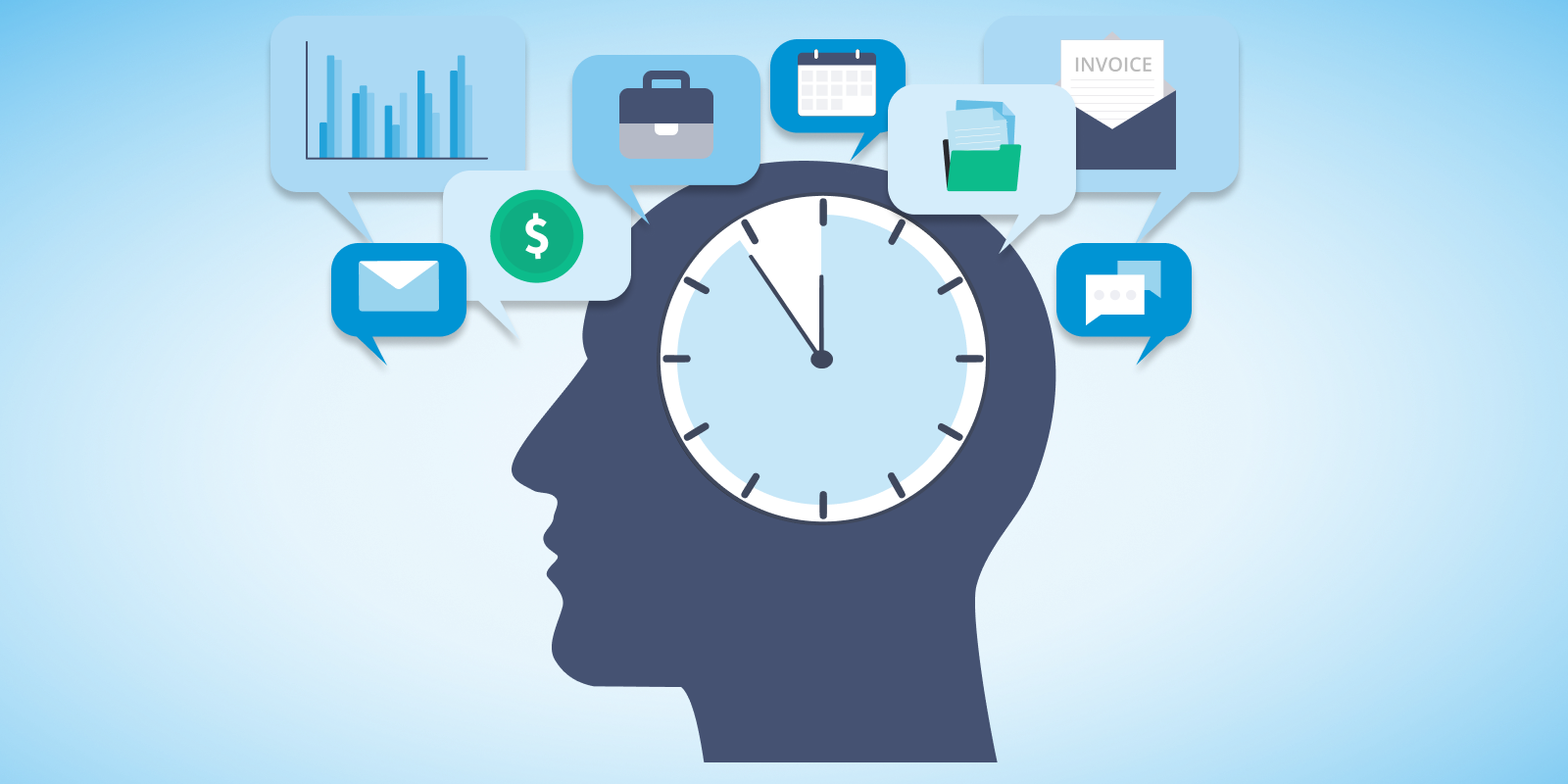



Productivity starts with organization and focus. To get more done during the day, you need a clear understanding of your priorities, tasks, and workload.
But during busy workdays, it’s easy to lose track of important tasks or overlook the bigger picture. Heavy workloads can quickly become overwhelming, especially when everything stays trapped in your head.
One effective way to stay organized and productive is to visualize your work.
Why visualizing your work matters
Organizing and visualizing tasks can help you:
- Keep track of priorities and deadlines;
- Reduce mental overload;
- Stay focused on the bigger picture;
- Better understand your workload;
- Improve motivation and productivity;
Different people use different productivity systems, so the best approach is the one that helps you stay organized consistently.
Helping your brain stay organized
Let’s say you’ve already planned your day. You know which projects you need to work on and which tasks need to get done.
Now, instead of trying to keep everything in your head, organize and visualize your tasks. Doing so can help you stay focused, avoid forgetting important work, and maintain a clear overview of your priorities.
Have an external memory
Memory is unreliable, especially during busy workdays. Keeping your tasks written down somewhere accessible helps reduce the risk of forgetting important activities and makes it easier to review your priorities whenever needed.
Keep everything in one place
Scattered notes, documents, and task lists can quickly become difficult to manage. Keeping all your to-dos in one place makes your work easier to organize, review, and track over time.
Maintain a clear overview
Seeing your tasks from start to finish helps you better understand your workload and priorities for the day. It also makes it easier to adjust your plans as new tasks or changes appear.
Stay motivated
Keeping your tasks visible can also boost motivation. Completing tasks and checking them off your list creates a sense of progress and accomplishment, helping you stay engaged and productive throughout the day.
There are many ways to visualize and organize your work, and everyone develops different productivity habits over time. The best system is the one that helps you stay focused, organized, and consistent.
Popular ways to visualize your work
Different people organize work in different ways. Some prefer simple task lists, while others rely on visual workflows, prioritization systems, or calendar-based planning tools.
Here are a few popular methods that can help you stay organized and productive.
The to-do list
The simplest productivity method is the classic to-do list. In fact, people have been using lists to organize work and ideas for centuries; even Leonardo da Vinci kept detailed task lists and notes.
According to Openculture, one of Da Vinci’s lists included tasks such as:
- “Draw Milan”;
- “Ask Maestro Antonio how mortars are positioned on bastions by day or night”;
- “[Examine] the Crossbow of Mastro Giannetto”;
- “Find a master of hydraulics and get him to tell you how to repair a lock, canal and mill in the Lombard manner”;
You don’t need a Da Vinci-level system to stay productive, though. A simple notebook, whiteboard, or digital list can already make a hugedifference.
For those who prefer digital tools, many to-do list apps – such as Todoist – make it easy to organize tasks and access them from anywhere.

The Kanban method
Kanban is a workflow visualization method originally developed by Toyota in Japan. The word “Kanban” roughly translates to “signboard” or “visual board.”
The method organizes tasks into visual stages, typically:
- To do;
- In progress;
- Done;
Tasks are written on cards and moved across the board as work progresses. This makes it easier to track workloads, identify bottlenecks, and keep projects organized visually.
Popular tools like Trello helped make digital Kanban boards mainstream thanks to their simple and intuitive interface. Many other project management platforms, including Asana, now also support Kanban-style workflows.

The prioritization matrix
No productivity system is complete without clear priorities.
When managing multiple projects, deadlines, and responsibilities, it’s important to understand which tasks deserve immediate attention and which can wait.
One of the most popular prioritization methods is the Eisenhower Matrix, which organizes tasks into four categories:
- Important and urgent → do immediately;
- Important but not urgent → schedule it;
- Urgent but not important → delegate it;
- Not urgent and not important → eliminate it;
This simple framework can help reduce distractions, improve focus, and make workloads feel more manageable.
The calendar
Time is one of the most valuable resources we have and one of the easiest to lose track of.
Good time management isn’t just about tracking hours worked. It’s about understanding how your time is distributed across projects, meetings, and daily activities so you can focus on the work that matters most.
Calendar tools like Google Calendar can help schedulemeetings, deadlines, and focused work sessions, while apps like Sunsama combine task management with calendar planning.
For teams and professionals who want to better understandhow time is spent across projects, Lucen Track visualizes tracked time in a calendar-style dashboard, making workloads and activity patterns easier to analyze.

Final thoughts
There’s no single “perfect” productivity system. Some people prefer to-do lists, while others rely on Kanban boards, prioritization frameworks, or calendar-based planning.
The key is finding a method that helps you stay organized, focused, and consistent over time.
If you want to build even better productivity habits, explore these time management tips and habits and discover the productivity benefits of time tracking.
Try Lucen Track for free and start visualizing how your time is spent across projects, tasks, and daily activities.


Subscribe to our blog
Get all the tips, tricks and inspiration you need to create professional looking timelines, straight to your inbox.